Hussain Ustara
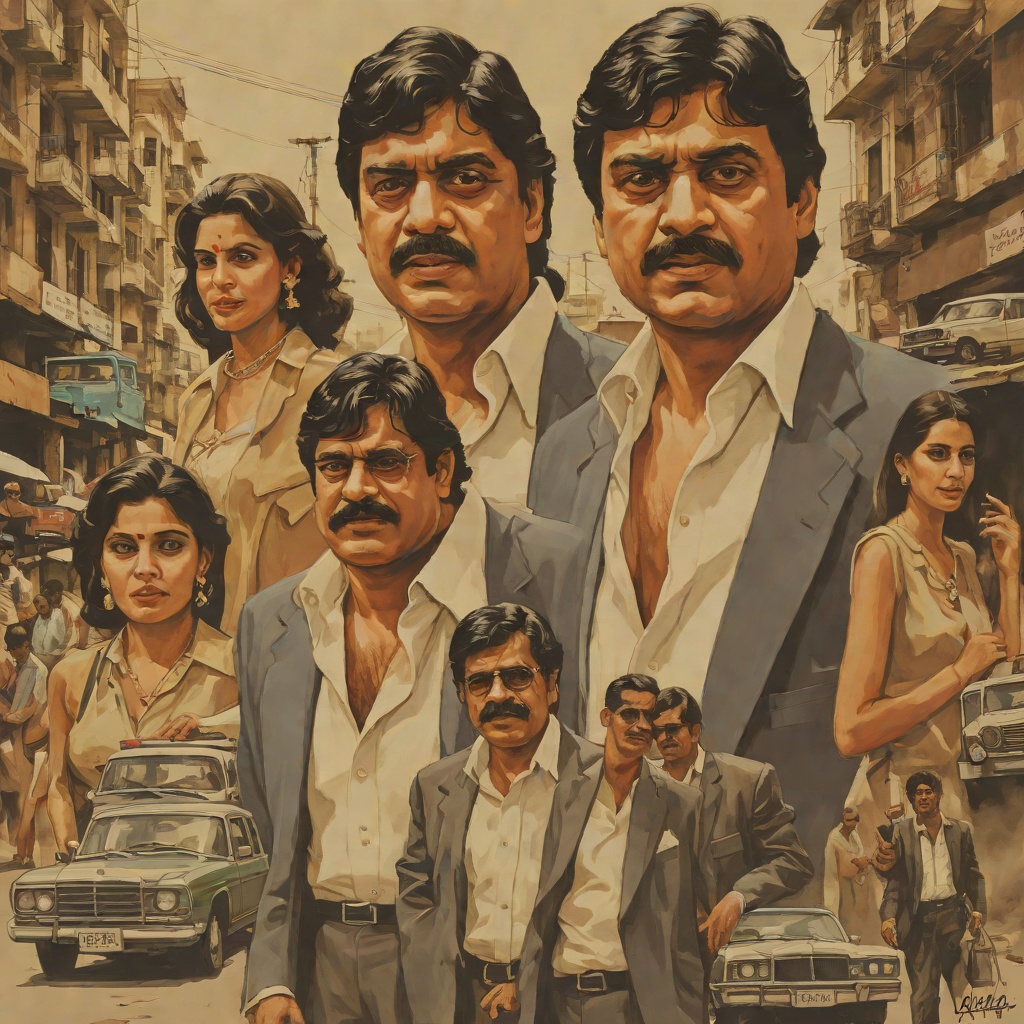
Mafia Queens of MumbaiHussain Ustara, whose real name was Mohammad Hussain Shaikh, was one of the most sophisticated gunmen in the Mumbai mafia, a figure whose very alias derived from the razors he used to settle arguments in his early days. He rose to command his own gang, was at all times flanked by half a dozen excellent sharpshooters, and was known for his ability to cock his favourite German Mauser and fire in three seconds. Yet his life and death were defined by a single unresolved feud: his hatred of Dawood Ibrahim, a hatred so deep that he was one of the few men willing to stand against the most powerful don in the city, and a hatred that ultimately cost him his life.
Identity and Background
Ustara's name was not inherited but earned. In his youth, he used razors to settle arguments, and it was this habit that gave him the alias 'ustara', the Urdu word for razor. He spoke about his early life and his rise to command his own gang, describing how he had built a criminal career from these violent beginnings. By the time he appears in the narrative, he was a renegade with his own axe to grind against Dawood, a man who knew everything about the don and hated him. He lived in Pydhonie, and his reputation was such that he was described as one of the few people who might be willing to help a widow seek justice against Dawood, even though most police officers were said to be on the don's payroll.
The Feud with Dawood and the Promise to Ashraf
Ustara's hatred of Dawood was personal and consuming. When he began speaking about his feud with Dawood Ibrahim, he stopped midway, as if a lump had gotten stuck in his throat, a moment that revealed the depth of his bitterness. This feud made him the natural, if unlikely, ally of Ashraf Khan, the widow of Mehmood Khan, a gangster who had been shot dead in a fake encounter at Santa Cruz airport. Ashraf had been told by a man named Usmaan that Ustara was her only hope: 'Hussain Ustara,' Usmaan said. 'He knows everything about Dawood and hates him. There are not many who would be willing to stand against Dawood and help you but Hussain is a renegade and has his own axe to grind against Dawood. He has a gang of his own and he knows how to use weapons; he might help you. He lives in Pydhonie.' Ustara thus became the instrument of a widow's vengeance, a man who carried in his heart a dream of avenging Ashraf's brutal death, a promise he would never fulfil.
The Ambush and Death
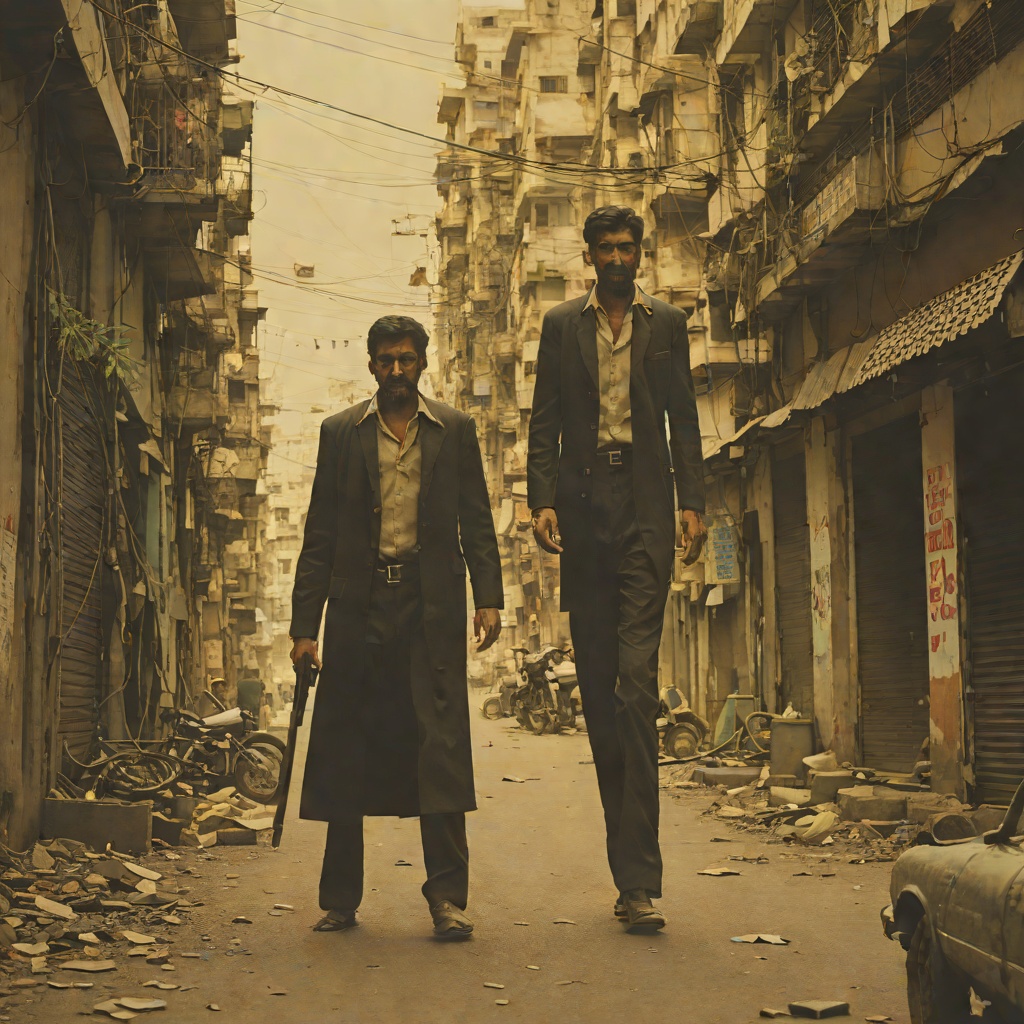
Ustara's love for the company of beautiful women inevitably paved the way for his end. Often, the mad surge of lust made him reckless and negligent. He liked to keep his flings discreet, so he avoided taking his men on his visits to women, failing to take into account that his rivals were not oblivious to his movements. Chhota Shakeel had set a chain of spies on Ustara, with a simple plan: to wait for an opportunity to strike when Ustara was off guard. On the evening of 11 September 1998, Ustara asked his men not to follow him. He took his guns and drove out in a grey DCM Daewoo Cielo from his den in Bapurao Pathe Marg. As he reached his girlfriend's house near Nagpada, the message was relayed to Shakeel in Karachi, who immediately asked his men to assemble and ambush Ustara. Within an hour, the men had taken their positions. When Ustara exited the building, eyewitnesses later recounted, he didn't look around but headed straight towards his car. Eight men whipped out their guns and showered a volley of bullets on Ustara. It is not known how many rounds were fired but over twenty rounds mowed Ustara down and the rest punched holes in his car. It was over in a matter of seconds. Ustara neither had time to see his assailants nor could he draw his own favourite German Mauser. Ironically, Ustara had been proud of his ability to cock the gun and fire in three seconds. The cops later filed a report that eight men were seen firing bullets at Ustara. Four of them had come on two bikes, two had come on a scooter and two in a Maruti van. In a rare occurrence in a gangland shootout, an AK-47 was used to kill Ustara. It seemed the men were armed to the teeth, indicating that even if Ustara had managed to put up a fight, he would have had no chance of surviving the attack. Ustara was rushed to J.J. Hospital where he was declared dead on admission.
Narrative Role and Significance
Ustara's story is told through the recollections of Vikram Chandra, who interviewed him while he was stranded between life and death, systematically taking down notes as Ustara spoke about his life, his early use of razors to settle arguments, and how he rose to command his own gang. When Ustara started speaking about his feud with Dawood Ibrahim, he stopped midway, as if a lump had gotten stuck in his throat, and the interviewer thought of diverting the conversation to his personal life, asking, 'What about women?' This question proved prophetic, for it was precisely Ustara's weakness for women that led to his downfall. His death was a testament to the brutal logic of the Mumbai underworld, where even the most sophisticated gunman could be brought down by his own desires, and where a promise of vengeance made to a grieving widow could go unfulfilled in a hail of bullets on a city street.